







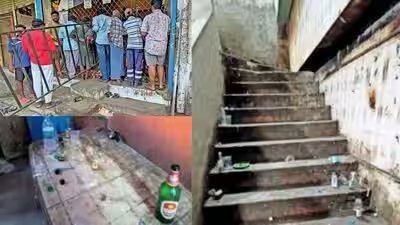
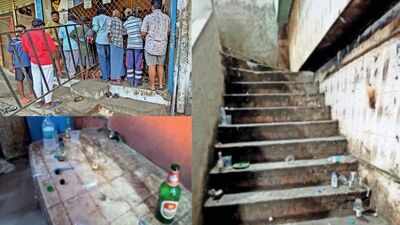
Regimes change, yet Tamil Nadu’s biggest cash cow is stuck in the 90s era of arrack stalls. Across Tasmac’s filthy outlets and stinking bars, customers put up with missing price lists, unbilled purchases, poor choice of liquor and no means to complain.To top it off, the staff are abusive and overcharge 10 to 20 a bottle. This is the result of official apathy, a hollow prohibition narrative, and unionised staff sabotage that has scuttled every reform — from UPI billing and bottle buybacks to stocking global brands — for more than 23 years.Customers are either left jostling or herded like cattle behind ropes, while a handful of urban ‘elite’ outlets reduce self-service to a myth.The latest reform to bite the dust is the empty bottle collection and cash transaction limit. After workers armtwisted the govt with a two-day shop closure, Tasmac outlets functioned seamlessly on Wednesday as the scheme was silently given a go-by.No shop in the city collected empty bottles, while staff continued to overcharge, accepted only cash, and pushed the brands they wished to sell. Workers had the last laugh in the online reservation of liquor too, ensuring the project flopped within a week. Across the state’s 4,051 outlets — including 676 in Chennai region — not even the 200-odd shops within GCC limits have been modernised.“Point-of-Sale barcode scanners and UPI QR codes are provided in most outlets. But try paying digitally for a single quarter bottle and the standard response is: ‘Server down, only cash’,” said Anbarasan Gopalan at a Triplicane shop. Though prohibition and excise minister K Vignesh said they plugged a 1,200 crore revenue leakage by adding the 10 empty-bottle fee into the MRP, service has not improved.Conditions inside attached bars are dismal. Functioning under tin sheets with dirty floors, overflowing urinals, and snacks fried over open drains, these bars routinely flout the 10pm deadline and sell loose liquor at blackmarket rates. Though bar licences require seating, customers are forced to stand unless they pay extra to sit.Consumers have little choice. Protected by import barriers, a cartel of politically connected distilleries controls more than 90% of shelf space, forcing drinkers to buy harsh, molasses-based local brands instead of grain whiskies and craft beers found in neighbouring states. While liquor retail in Karnataka, Kerala, and Puducherry looks like modern trade, prohibition politics keeps Tamil Nadu’s network degraded. In contrast, V S Arun, Bevco union state secretary in Kerala, said: “The advantage in Kerala is that we have permanent workers and any customer complaint against them is taken seriously — even increments are cut.”Back home, minister Vignesh said it was difficult to change a corruption-driven system overnight.“We brought in a series of reforms in the past few months, from salary hikes to medical cover. They cannot complain anymore. We will hire new people if the existing workforce continues to be a menace,” he said, adding that new bar tenders will eliminate local politicians calling the shots, and imported liquor will soon be piloted in 500 shops.