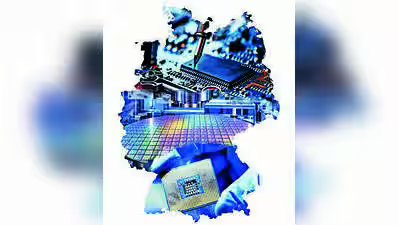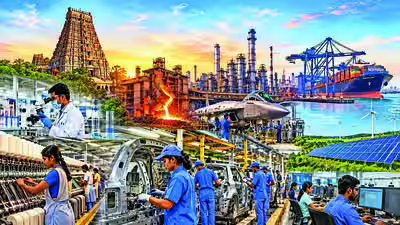










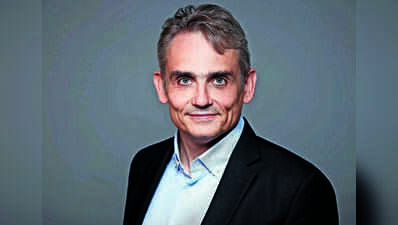
In an interview, Michael Hasper, Consul General of Germany in Chennai, discusses the state’s appeal to German investors, opportunities in emerging sectors, collaboration between TN’s MSMEs and Germany’s Mittelstand (SMEs and family owned businesses), and how the new state govt can attract more investment. Excerpts:What is driving renewed German investment interest in TN?Tamil Nadu has been one of the most attractive destinations for German companies in India, and we are now seeing new momentum in this relationship. The state offers a diversified manufacturing ecosystem, a strong supplier base, engineering talent and logistics infrastructure, and a commitment to industrial development. The success of German companies that have operated here for decades is the best advertisement for the state as an investment destination. German companies view India not just as a market and manufacturing base, but also as a hub for engineering, research and innovation. German-Indian relations are closer than ever, as shown by Chancellor Friedrich Merz’s January visit to India. The forthcoming EU-India Free Trade Agreement will provide further impetus through improved market access, lower tariffs and greater regulatory predictability, making TN more attractive as a manufacturing and export hub.How will investments in electronics, semiconductors and advanced mobility evolve?We are witnessing an increase in investment and a qualitative transformation of our economic partnership. TN’s manufacturing strengths are increasingly complemented by capabilities in electronics, software engineering, AI and advanced technologies. The automotive sector illustrates this shift, with electric, connected and software-defined mobility bringing mechanical engineering, electronics and digital technologies closer together. Semiconductors are another promising area. During Chancellor Merz’s visit in January, Germany and India agreed to establish a semiconductor ecosystem partnership. Germany has expertise in automotive and industrial semiconductors, power electronics, machinery and materials. TN’s growing electronics ecosystem offers opportunities in chip design, equipment, assembly, packaging and testing. German GCCs are another emerging area. Bosch’s Coimbatore centre, with around 8,000 engineers, exemplifies how Indian talent contributes to global product development and advanced IT and AI solutions. German investments are to become more technology-intensive and research-driven, positioning TN as an innovation hub and manufacturing base.How can MSMEs collaborate closely with Mittelstand?Mittelstand firms are the backbone of Germany’s industrial economy. Many of these companies are highly specialised, family-owned enterprises that are global market leaders in their respective technological niches. TN’s strong network of small and medium-sized manufacturers makes it a natural partner. Coimbatore, in particular, reflects the entrepreneurial spirit and industrial capabilities shared by both economies. Opportunities span precision engineering, machine tools, automation, robotics, automotive components, energy efficiency and advanced manufacturing. Partnerships could include joint ventures, tech licensing, product development, contract manufacturing, and integration into global supply chains. The EU-India FTA will help smaller companies overcome regulatory hurdles and trade barriers. Existing platforms such as the Indo-German Chamber of Commerce, the Make in India Mittelstand programme, and German Indian Round Tables in Chennai and Coimbatore offer a foundation for deeper engagement. Indo-German cooperation in vocational training at the Gedee Technical Training Institute in Coimbatore is another valuable model. Looking ahead, I would welcome more targeted matchmaking programmes between German Mittelstand companies and TN’s MSMEs.What should the govt do to attract more investments?Tamil Nadu’s consistent industrial policies across successive govts have built investor confidence. Chief minister Vijay’s govt has an opportunity to build on this strength. I would highlight five priorities: First, maintain a stable, transparent and predictable regulatory environment, with timely approvals and effective single-window clearances. For medium-sized German companies, ease of doing business can matter more than financial incentives. Second, strengthen industrial infrastructure, ensure reliable power supply and access to competitively priced renewable energy, and improve port connectivity, logistics and industrial parks. Third, invest in industry-oriented vocational education and specialised skills in semiconductors, AI, robotics and advanced manufacturing. Germany’s dual vocational training model offers scope for cooperation. Fourth, deepen industry-academia collaboration. Institutions such as IIT-M and its Research Park demonstrate how academic excellence can support industrial innovation. Building on this model could attract more German R&D centres and GCCs. Finally, intensify engagement with Germany’s Mittelstand through partnerships with regional industrial clusters, chambers of commerce and individual German states. The next chapter of our partnership should bring deeper technological cooperation, joint innovation and globally competitive products and solutions. TN has all the ingredients to become one of Germany’s most important industrial and technological partners in India.