








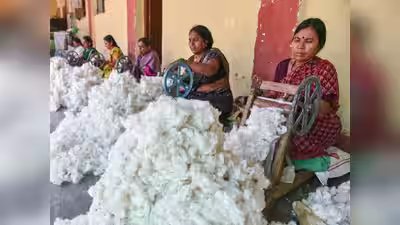
COIMBATORE: The Southern India Mills’ Association (SIMA) has welcomed the Centre’s decision to extend the exemption on the 11% import duty on cotton till Dec 31, saying it will help the textile industry address raw material shortages, stabilise prices and meet export commitments.SIMA said the cotton-based textile industry provides employment to more than 45 million people, with a significant share in rural areas and women accounting for around half the workforce. It pointed to the ministry of textiles’ vision of raising textile trade from about $172 billion to $350 billion, increasing exports from $36 billion to $100 billion, attracting $100 billion in investments and creating 20 million jobs.According to SIMA, achieving these targets would require 475–500 lakh bales of cotton at internationally competitive prices. It cited output falling from 398 lakh bales in 2013-14 to an estimated 280 lakh bales in 2026-27, against an industry requirement of around 360 lakh bales, and said exports of 12–15 lakh bales of organic and BCI cotton further tighten availability. SIMA projected a potential shortage of around 100 lakh bales and said self-sufficiency in medium and long staple cotton could take seven to ten years, while dependence on imports would continue for extra-long staple and customer-specified origin cotton.Palanisamy said cotton accounts for about 70% of yarn manufacturing cost, 50% of fabric cost and 30–35% of garment cost, making assured supply at globally competitive prices crucial to leverage market opportunities from recent and ongoing free trade agreements, including with the UK, EU and the US.SIMA said the industry imported about 72 lakh bales during the 2025-26 season under temporary duty exemptions, helping mitigate shortages, avoid job losses and fulfil export orders. It argued that removal of cotton import duty is necessary for sustained growth, particularly for signing long-term contracts with global brands.The association highlighted productivity concerns, stating that Indian cotton productivity is about 430–440 kg per hectare compared with a world average of 815 kg per hectare, and over 1,500 kg per hectare in more than 20 countries.SIMA appealed to Prime Minister to extend duty-free imports for all varieties of cotton till 2030 and review the policy thereafter, citing the need to curb speculation, ensure price stability and create a level playing field. It suggested periodic reviews of domestic supply-demand and price trends to adopt mechanisms that protect stakeholder interests.