









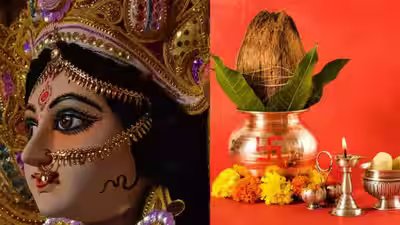
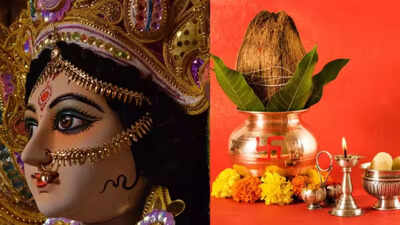
Two dates on the calendar, one festival and a lot of confused families. That is the situation this year, because the tithi that starts Navratri will cross midnight. As per the Hindu Panchang, Sharad Navratri 2026 will begin on Sunday, 11 October, and Vijayadashami (Dussehra) will follow on Tuesday, 20 October. Here is how the dates, the muhurat and the nine days fit together.
The Midnight Problem
Pratipada Tithi will begin at 9:19 pm on Saturday, 10 October and end at 9:30 pm on Sunday, 11 October (New Delhi). Some websites read the evening start and list 12 October. That reading is wrong for most households. Navratri follows the tithi that is active through the daytime, and on Sunday morning Pratipada will be running from sunrise to evening. So the festival will begin on 11 October.Saturday, 10 October is Mahalaya Amavasya, the day Pitru Paksha closes. Families who honour their ancestors that day will move straight into Navratri the next morning.
Your Window for Kalash Sthapana
Kalash Sthapana, also called Ghatasthapana, is the first ritual of the festival. It cannot be done at night, and it has to happen while Pratipada is active.In Delhi, the main muhurat will run from 6:19 am to 10:12 am. The Abhijit Muhurat will give a second, shorter chance from 11:44 am to 12:31 pm. Priests generally advise the morning slot. It leaves room for the puja to finish without hurry, and nobody has to rush a prayer because a timer is running.Other cities will differ by a few minutes. A family in Pune or Lucknow should confirm the local timing before setting an alarm.
What the Kalash Holds
A clean pot, usually copper, brass or clay, sits at the centre of the puja. Water goes in first, then a coin, a betel nut and a pinch of rice. Five mango leaves fan out around the rim, and a coconut in red cloth rests on top. Barley seeds sown in a tray of soil beside it will sprout within days. Tradition reads a thick, green growth as a good sign for the household, and a pale one as a reminder to be patient.The lamp lit on the first morning is meant to burn through all nine days. If it goes out, simply relight it and carry on.
The Nine Days, One Goddess at a Time
Every day belongs to a different form of Durga. The order never changes. Maa Shailputri is worshipped on Sunday, 11 October, and Maa Brahmacharini on Monday, 12 October. Maa Chandraghanta comes on Tuesday, 13 October, and Maa Kushmanda on Wednesday, 14 October.Maa Skandamata, Maa Katyayani and Maa Kalaratri follow. Their exact dates depend on how each tithi falls against sunrise, so panchangs may differ here. Confirm these three days in the calendar your family follows.The finish is clearer. Maa Mahagauri and Maa Siddhidatri are both honoured on Monday, 19 October.
Why Two Days Share One Date
In Delhi, Ashtami will start at 8:27 am on 18 October and end at 10:51 am on 19 October. Navami will begin right after. A tithi that starts mid-morning and ends mid-morning the next day leaves two sacred days squeezed into one. Most North Indian homes will mark Durga Ashtami and Maha Navami together on 19 October. Kanya Pujan is held on one of those days, and the choice follows family custom.The fast will be broken on 20 October, when Navratri Parana and Vijayadashami arrive together. Dashami Tithi will begin at 12:50 pm on that day and run until 2:11 pm on 21 October.
Fasting Without the Fatigue
Most devotees avoid grain, onion, garlic and meat. Kuttu or singhara flour, sabudana, boiled potato with rock salt, fruit and milk are the usual plate. Water is allowed. A handful of nuts in the afternoon steadies energy better than three cups of tea. People with diabetes, heart conditions or pregnancy should talk to a doctor before keeping the full nine days.
Mistakes Worth Avoiding on Day One
The first is starting after Pratipada has ended. The second is buying samagri on the morning itself, when shops are crowded. The third is skipping the tray of barley because it seems small. Prepare the pot, flowers and sweets the night before, and set the puja thali beside the kalash before sleeping. A calm first hour usually sets the tone for the next nine days.