

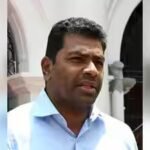








In this image posted on August 10, 2026, High Commissioner of India to Bangladesh Dinesh Trivedi, right, during a meeting with Bangladesh Prime Minister Tarique Rahman, in Dhaka, Bangladesh.
| Photo Credit: X/@ihcdhaka via PTI
India and Bangladesh are in talks for an early bilateral visit by Prime Minister Tarique Rahman to New Delhi, preferably before the end of this month or the first week of September, to help in full normalisation of relations. Officials hoped that the early visit would pave the way for the renewal of the Ganga waters treaty, energy deals and removal of the trade restrictions that were imposed in May 2025 on Bangladesh.
Diplomatic sources expressed cautious optimism, saying that “positive developments” can take place quickly in the coming few days. Sources in Dhaka expressed satisfaction over the ongoing exchanges between the two sides but cautioned that continued activities by former Bangladesh Prime Minister Sheikh Hasina or her party Awami League from India have the potential to cast a shadow on fresh initiatives. Sources here also said normalisation will have to be achieved as soon as possible as the diplomatic window may close soon because of other visits and commitments that are being scheduled for the Indian leadership in the remaining four months of the year.
Also Read | Bangladesh urges India to expedite Sheikh Hasina’s extradition
The exchanges between the Indian and Bangladeshi sides began last Monday (August 10, 2026) when High Commissioner Dinesh Trivedi called on Mr. Rahman at the Secretariat in Dhaka. The meeting took place against the backdrop of tension generated by the virtual press conference that was addressed by Ms. Hasina and her son Sajeeb Wazed Joy at the Foreign Correspondents Club in New Delhi on August 5, 2026. The Ministry of Foreign Affairs of Bangladesh said it was “outraged” by Ms. Hasina’s press conference and described the event as an “afront” to the “sovereignty of Bangladesh”.
A day earlier on August 9, Bangladesh hosted a delegation led by Parag Jain, Secretary, Research and Analysis Wing (R&AW), the external intelligence wing of the Government of India. In response to Bangladesh’s remarks, the Ministry of External Affairs distanced itself from Ms. Hasina’s event and said India did not “endorse” the remarks that were made at the event against the “duly constituted government of Bangladesh”. The Ministry’s Official Spokesperson Randhir Jaiswal further clarified that alongside the invite to Mr. Rahman for the BRICS meeting, India had extended an invite for a bilateral visit on February 17, 2026. This bilateral invite was further acknowledged by Foreign Minister Khalilur Rahman on August 10, 2026 after Mr. Trivedi met Mr. Rahman.
Subsequently, Mr. Trivedi visited Delhi and briefed Prime Minister Narendra Modi during Tuesday evening. It has been learnt by The Hindu that the Indian side has conveyed that an “early bilateral visit preferably before the end of the month” will ensure full normalisation of India-Bangladesh ties, including “addressing the water-related issue, energy agreements, visa facilities, and lifting of restrictive measures that were imposed on the textile and food processing sectors of Bangladesh in May 2025”.
It was also communicated to the Rahman government that “if you get stuck with Hasina, you will miss the bus.” It is understood that there has been greater interest of Bangladesh in a bilateral visit for Mr. Rahman and not so much for a participation in the BRICS summit as Bangladesh is not a member of the BRICS and as a result, Mr. Rahman is unlikely to feature in the main round table meet of the leaders of the member countries. Diplomatic sources, however, cautioned that a fresh meeting by members of Ms. Hasina’s Awami League is also being planned by the end of this month in Delhi and suggested that it could hurt positive trend in the talks.

Bangladesh, one of the largest trading partners of India in the neighbourhood, has had a prolonged spell of cold relation with India since the fall of the Hasina government on August 5, 2024. The subsequent 15-month-long interim government led by Mohammed Yunus and his Council of Advisers did not hold important official discussions in areas such as water-sharing and strategic affairs.
India had reached out to Mr. Rahman on February 17 when he was sworn in after winning the February 12 election with a landslide majority. Subsequently, Mr. Rahman has remained occupied domestically with a worsening energy situation that coincided with the Gulf crisis, a measles crisis that has killed hundreds of infants, and tough challenge from the Jamaat-e-Islami that is leading the Opposition bloc in the Parliament in Dhaka. Bangladesh will elect a new President on August 20 and seniormost Cabinet member Mirza Fakhrul Islam Alamgir, the choice of the ruling Bangladesh Nationalist Party, is expected to be the new President. Mr. Rahman is likely to have a few days after that during which a visit could be scheduled.
Published – August 14, 2026 12:18 am IST