







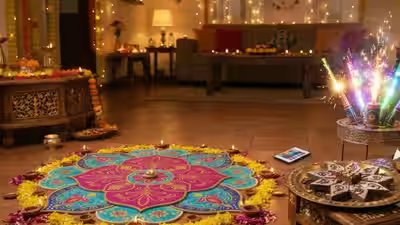
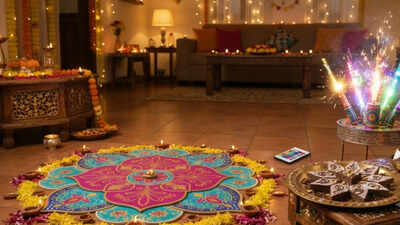
An oil bath, idlis, chicken curry, and pattimandram (a debating style in which participants argue in a humorous manner) — Diwali is usual in Tamil households, except some traditions are getting new-age upgrades, with varieties such as karupatti mysore pak, dark chocolate kaju katli and coffee hazelnut peda.A Coimbatore-based brand, Petti-kadai, offers “The Geo Tagged Sweet Box”, a 500 collection: Tirunelveli halwa, Srivilliputhur palkova, Palapatti ghee Mysore pak, Kovilpatti kadalai mittai and Kumbakonam dry jamun.“Detachable” kolam designs are also finding their way into homes decor as a convenient alternative.M D Muthukumaraswamy, director of National Folklore Support Centre, an NGO, said Diwali has moved away from being just about fireworks.
US Midterm Election Results 2026
“Increased awareness and government intervention has limited the use of loud crackers. People now focus more on their attire and food,” he said.Even shopping at Ranganathan Street has made way for home delivery, he said. Lighting lamps, he said, has not traditionally been a major part of celebrations down south. But homes are increasingly being decorated with lamps much like during Karthigai Deepam.“Festivals give adults a break and children a reason to celebrate. Diwali falls in Aippasi, during heavy rain. Without these celebrations, it would be just another day,” he said.
Popular fireworks get creative
For generations, bursting crackers has been an integral part of Diwali celebrations. Cracker manufacturers are experimenting with shapes, designs and interactive features to make fireworks more appealing, particularly to children and younger buyers. Some newer products borrow their designs from everyday objects, toys and popular gadgets.
The modern makeover
- Drone crackers: Designed to appear like a drone.
- Helicopter crackers: Crackers that spin or rise into the air, resembling a helicopter.
- Remote-control crackers: Inspired products that combine movement with fireworks.
- Coconut crackers: Designed in the shape of a coconut.
- Lollipop sparklers: Colourful sparklers designed to resemble lollipops.
Traditional favourites
- Kambi mathappu
- Flower pots
- Saravedi
- Gilli crackers
- Lakshmi bombs
- Rockets
Did you know? Firecrackers originated in China, where bamboo stalks were thrown into fires to produce loud bursts to ward off evil. Sivakasi’s industry dates back to 1940.
Sweets get healthy
Traditional sweets are returning with newer ingredients, flavours and combinations. While some sweet makers are replacing refined sugar with natural alternatives, others are experimenting with chocolate, coffee and exotic flavours.
| Sweet | Description |
|---|---|
| Mysore pak | Karupatti Mysore pak made with palm jaggery instead of refined sugar |
| Kaju katli | Dark chocolate kaju katli and chocolate hazelnut kaju katli |
| Peda | Coffee hazelnut peda |
| Gulab jamun | Gulab jamun and rabdi ice cream |
The modern decor picks
From hand-drawn kolams to ready-made
Drawing a kolam at the entrance of the house is a familiar ritual in Tamil households. Traditionally made with rice flour or coloured powder, these decorations are now finding alternatives to traditional floor decorations.
- Solar mandala projector: A solar-powered, waterproof projector that cycles through seven colours and casts a mandala pattern on walls and floors.
- Kolam rangoli: Interlocking loop designs resembling traditional chikku or knot kolams made of cream-coloured MDF/HDF board can be placed on the floor.
- Detachable rangoli floor decorations: A ready-made arrangement with bead and mirror work, offering a reusable alternative to drawing a rangoli from scratch.
Did you know? A 13th-century inscription from Nellai refers to women being assigned the task of cleaning and decorating temple floors with kolams. It appears in 16th-century Tamil literature.
Regional treats in a new-age gift box
Diwali gifting has traditionally revolved around boxes of sweets and savouries shared with family, friends, neighbours and colleagues. Tirunelveli halwa and Srivilliputhur palkova are regional halwas that have long been part of the festive exchange. Gifting is moving beyond the quantity of sweets in a box to the story behind them. Regional identity, premium packaging, ingredient choices and the experience of discovering different specialties are becoming part of the appeal.
The modern makeover
- Regional specialties: Sweets such as Tirunelveli halwa and Srivilliputhur palkova are being packed into curated gift boxes.
- GI-tagged treats: Geographical indication-tagged sweets and savouries are being positioned as gifts that celebrate the food heritage of their regions.
- Fusion hampers: Chocolate-covered traditional sweets, chocolate-and-mithai combinations and contemporary dessert boxes.
- Health-conscious gifting: Sugar-free sweets and hampers featuring millets.
Six yards of tradition, a whole new style
Kanchi silk, ‘podikattam’ (checkered) saris and ‘pavadai-sattai’ have long been part of TN’s festive wardrobe. Designers are revisiting vintage colours, prints and patterns, combining traditional weaving techniques with natural dyes and contemporary embroidery. Traditional silk aesthetic is also moving beyond saris. These designs are being adapted for shirts and kurtis. Reversible designs and lightweight silk blends offer more options for buyers who want traditional elements in contemporary silhouettes.
The vintage revival
Traditional patterns, once associated with heirloom saris, are finding their way into contemporary festive collections.
- Checks (kattam): Classic patterns returning in contrasting colours and combinations.
- Stripes (vari): Traditional stripes reinterpreted in bold colour combinations.
- Peacock, parrot and elephant buttas: Bird and animal motifs inspired by temple art.
- Rudraksham and temple borders: Traditional motifs and gopuram-inspired designs.
- Paisley and floral buttas: Vintage patterns making a comeback in festive collections.
The price tag
| Category | Price |
|---|---|
| Semi-silk sarees | Rs 1,555 onwards |
| Pure Kanchipuram silk | Rs 3,135 onwards |
| Premium festive silk | Rs 18,000–58,950 |
Did you know? Kanchivaram silk weaving is believed to have a history of more than 1,500 years, with its origins traced to the Pallava period. The craft evolved under dynasties, including the Cholas and Vijayanagara rulers.