







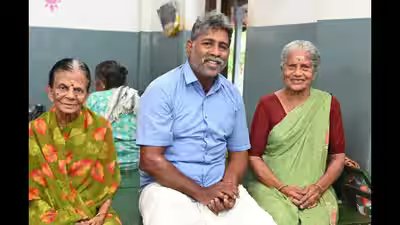
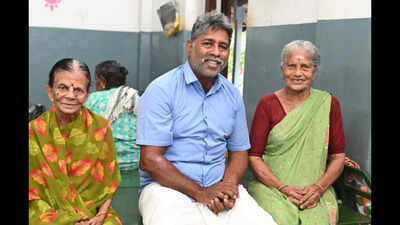
COIMBATORE: In 1992, young P Mahendiran, his mother and his elder sister were going to temple. Mahendiran’s sister, who was suffering from mental health issues, fell into a roadside sewage drain. As bystanders kept their distance, an anonymous autorickshaw driver entered the drain to rescue her. That single act of empathy left a permanent mark on Mahendiran, who was 16 years then. Years later, in 2005, the incident motivated Mahendiran to become a Good Samaritan in the streets of Coimbatore.By 2009, Mahendiran, a resident of Gandhipuram, had single-handedly rescued 16 people and placed them in private shelters. That year marked a pivotal shift when he reunited a man named Ashokan with his family. Ashokan had been missing for 15 years, and his family had already performed his last rites believing he was dead. This emotional reunion taught Mahendiran that rescuing individuals was merely the first step; returning them to their loved ones was the real goal.Encouraged by his friends, Mahendiran launched the Eera Nenjam Trust in 2012. Over the past two decades, he has rescued more than 1,000 people from the streets and successfully reunited around 400 with their families across the country and beyond.“Eera Nenjam” Mahendiran, as he is now known, is often contacted by passersby when they find a destitute person lying on roadsides — often unwashed, with matted hair, and ignored by the public. Armed with a bucket, shaving tools, and immense patience, he steps in where even medical workers sometimes hesitate.“People with mental health issues need to be handled with great care. Our approach must be filled with love and concern. We have to patiently go near them, cut their hair, bathe them, give them clean clothes and then take them to a shelter or hospital,” he says. For 50-year-old Mahendiran, this work goes far beyond basic rescue operations; it is about restoring lost dignity and guiding the forgotten back home.The support from a hospital in Bengaluru helped him provide treatment to homeless people who needed urgent medical attention. But his responsibility does not end with treatment.“When a homeless person dies after treatment fails, I cannot leave the body unattended. I make sure the person is given a respectful burial,” he notes. Aided by a crematorium worker named Vairamani, he ensures dignity in death.He manages the financial strain without actively soliciting funds, relying on voluntary contributions from friends. “Income is limited, but the expenses are high. We use whatever we have and continue the work. Service should never stop because of money,” he says.The impact of Eera Nenjam also extends beyond street rescues. For eight years, elderly women residing in his shelter have prepared breakfast for nearly 300 students at a govt school in RS Puram. Predating the Tamil Nadu govt’s breakfast scheme, this initiative gave abandoned mothers a renewed sense of purpose.Mahendiran balances his small business and family life with his social work. He notes a recent decline in rescue calls, attributing it to increased public awareness and better shelter infrastructure. Yet, his core motivation remains unchanged. “When we rescue a person from the roadside, help them recover, find their family and reunite them with their loved ones, the happiness in their eyes is the biggest blessing,” he says.Kovai Heroes is a city-wide recognition initiative by The Times of India, presented by Infinium developers to identify, celebrate and honour individuals who are making a positive impact in Coimbatore through their work, service, innovation, leadership or acts of kindness. Education Partner: SSVM Institutions. Associate Partner: Lakshmi Ceramics