









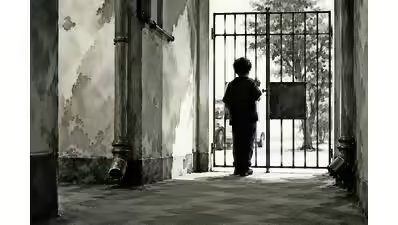
Tamil Nadu’s juvenile homes are meant to open doors to a new life. And yet, they seem to be drawing half of them back into the old one. A University of Madras survey has found that one in two juveniles (42%) in observation homes, special homes and places of safety in Chennai, Chengalpet and Madurai have been lodged there more than twice.The children had been admitted for offences ranging from murder, attempted murder and cases under the Protection of Children from Sexual Offences (POCSO) Act to theft, robbery, burglary, drug peddling and use of weapons such as petrol bombs.“The results show that many children were not rehabilitated in the special homes,” says professor M Srinivasan, lead researcher and professor from the department of criminology. “Many are dealing with psychological and family-related issues. In many cases, the homes were operating like prisons, not functioning as rehabilitation centres.” About half those surveyed said the homes felt like jails.Observation homes are temporary facilities where children are housed during the inquiry process. Special homes accommodate young adults in conflict with the law.About 80% of children also reported being exposed to tobacco, alcohol or drugs. A majority said they smoked, 55% said they drank alcohol and 41% said they had used drugs.More than half the children were employed at the time they were committed to the juvenile home. Around 15% were attending school, while 17% were neither studying nor employed.About 38% said they had been physically punished by staff, while 38.5% reported seeing children being mistreated. More than a quarter said they did not like the food served or the quality of drinking water.While most children felt their complaints were addressed, 21% said they went unheard. About half wanted outdoor games; 22% wanted books, newspapers and stationery items and 21% wanted sports materials. The researchers have recommended to the department of children’s welfare and special services that counsellors be appointed in the homes. “Regular career counselling sessions can help children identify their strengths and find suitable career paths. Counsellors can help children deal with trauma and build confidence, while activities such as sports, music, dance, drama, and visual arts help children express themselves and build self-esteem. Life skills training will help them integrate with society again,” says Srinivasan.Researchers surveyed 117 boys housed in two observation homes (Chennai and Madurai), one special home (Chengalpet) and one place of safety (Chengalpet) between 2024 and 2025. About 82% were between 16 and 18 years old; 12.8% between 19 and 21, while four were between 12 and 15 years old.